
Common Generator Problems and How to Prevent Them
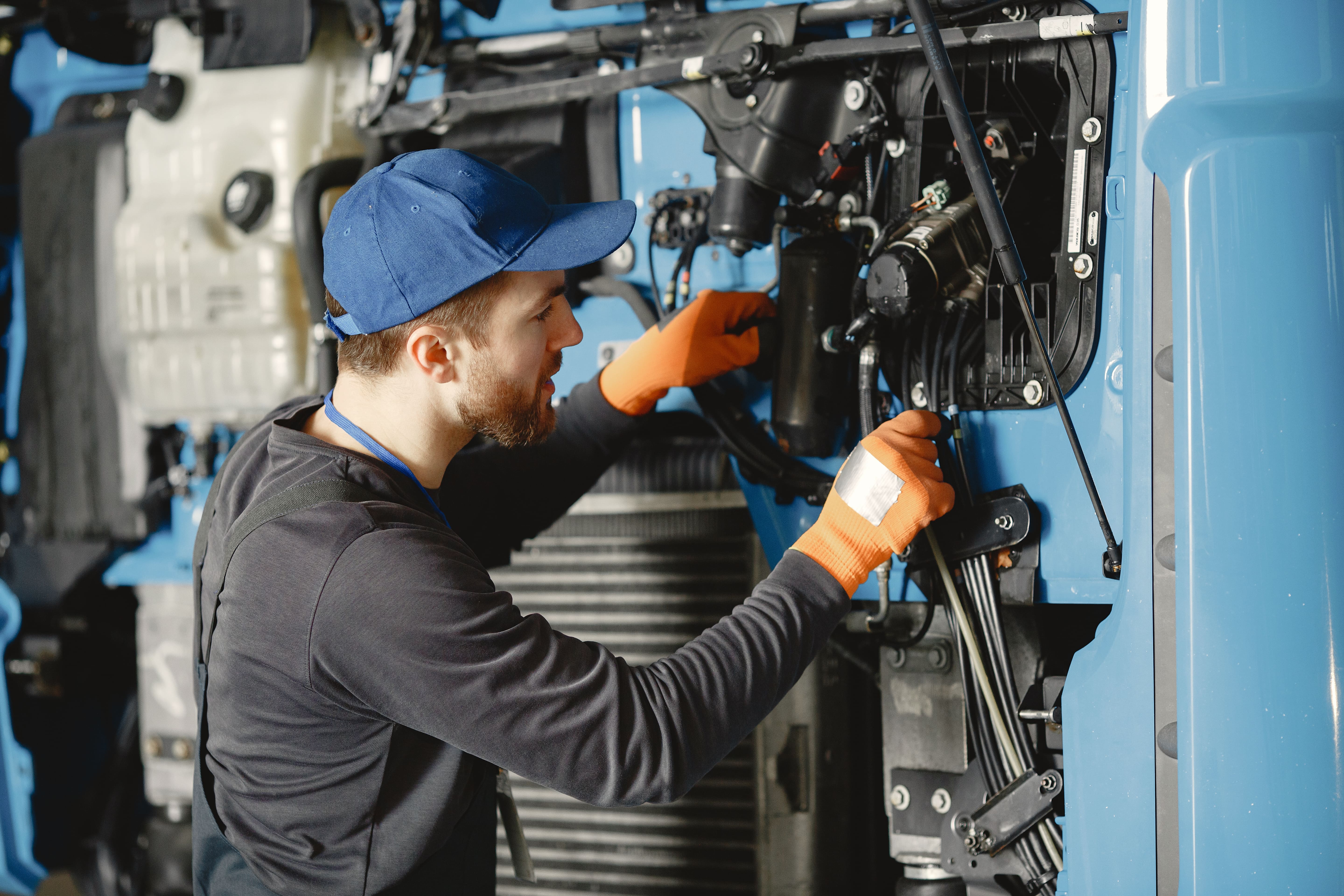
A generator is one of those things you may not think about until the power goes out. But when your home needs backup electricity or your business depends on uninterrupted operations, a generator that refuses to start can quickly become a serious problem. Low fuel, a weak battery, overheating, and neglected maintenance are some of the common reasons generators fail when they are needed most.
For homes, offices, commercial buildings, and industrial facilities in the UAE, regular generator maintenance is particularly important. High ambient temperatures, dust, and long periods of inactivity can place additional demands on generator components. Recognizing early warning signs and addressing minor faults can help prevent costly repairs and unexpected downtime.
This blog explains common generator problems, practical ways to prevent them, and when to seek professional assistance. It also looks at how ReachUAE, a business directory, can help you find generator suppliers in the UAE and service providers for your requirements.
Importance of Generators for Homes and Businesses
Generators provide backup electricity when the main power supply is unavailable or unreliable. Depending on their capacity and installation, they can power essential household appliances, office equipment, commercial systems, and industrial machinery.
For businesses, a generator can help protect operations against power interruptions. Hospitals, data centres, warehouses, manufacturing facilities, and commercial buildings may depend on backup power to support critical equipment and reduce disruption. At home, a suitable generator can keep essential appliances and electrical systems running during an outage.
However, owning a generator is only part of the preparation. The equipment must be in good working condition, have an adequate fuel supply, and be capable of handling the required electrical load.
Why Regular Maintenance Helps Prevent Unexpected Breakdowns
Generators may remain unused for weeks or months before an emergency calls them into action. During this time, batteries can lose charge, fuel can deteriorate, and components can develop faults without obvious warning signs. Regular maintenance helps identify these problems before they lead to equipment failure. Typical maintenance checks include:
Inspecting the battery, cables, belts, and electrical connections.
Checking engine oil, coolant, fuel levels, and possible leaks.
Cleaning or replacing air and fuel filters as required.
Testing starting systems, control panels, and safety features.
Running scheduled tests and arranging load testing when required.
The maintenance schedule should follow the manufacturer's instructions and account for the generator's usage, operating conditions, and model. Routine servicing can reduce the likelihood of unexpected failures and help extend the equipment's service life.
Common Generator Problems
Generators can develop problems in their starting systems, engines, fuel supply, cooling systems, and electrical components. Understanding the common causes can help owners recognize when something needs attention. Here are the common problems people face in the UAE:
1. Battery and Starting Problems
A weak or discharged battery is a common reason a generator fails to start. Loose terminals, corrosion, a faulty charger, or worn battery components can also prevent the starting system from working properly.
Prevention: Check the battery condition, terminals, and charging system at the intervals specified by the manufacturer. If the generator cranks slowly or repeatedly fails to start, arrange an inspection.
2. Low Fuel or Fuel System Issues
An empty tank is an obvious cause of generator failure, but contaminated or degraded fuel can also create problems. Water, sediment, and microbial growth in diesel fuel may clog filters and interfere with fuel delivery.
Prevention: Check fuel levels before scheduled tests, inspect for leaks, and follow the manufacturer's fuel storage and replacement recommendations.
3. Overheating
Low coolant, blocked air passages, damaged hoses, worn belts, or cooling system faults can cause a generator to overheat. Dust and debris around ventilation openings can also restrict airflow. There are higher chances for a generator to overheat in hot environments like Dubai and the UAE.
Prevention: Check coolant levels when safe, keep the surrounding area clear, and arrange inspections of the radiator, hoses, belts, and cooling system.
4. Low or Unstable Power Output
A generator may run but fail to supply consistent electricity. Possible causes include excessive electrical demand, engine problems, alternator faults, or issues with the voltage regulation system.
Prevention: Choose a generator with suitable capacity for the intended load. Have a technician investigate repeated voltage fluctuations or unusual changes in power output.
5. Oil and Coolant Problems
Low engine oil can cause excessive wear and may trigger an automatic shutdown. Coolant loss can lead to overheating and serious engine damage. Leaks may develop around seals, hoses, fittings, or other components.
Prevention: Check fluid levels according to the manufacturer's instructions and look for visible leaks. Use the specified oil and coolant grades, and never ignore repeated low-fluid warnings.
6. Clogged Filters
Dirty air filters restrict airflow, while blocked fuel filters interfere with fuel delivery. These problems can lead to poor engine performance, difficult starting, and unexpected shutdowns. Dusty surroundings may cause air filters to need more frequent attention.
Prevention: Inspect filters at the recommended intervals and replace them when required. Do not clean or reuse filters unless the manufacturer permits it.
7. Exhaust and Engine Issues
Unusual smoke, knocking sounds, excessive vibration, or changes in exhaust behavior may point to engine wear, fuel combustion problems, or exhaust restrictions. Diesel generators operating for long periods at very light loads may also develop wet stacking, where unburnt fuel and deposits accumulate in the exhaust system.
Prevention: Follow the manufacturer's operating and loading recommendations. Arrange prompt inspection if the generator produces unusual smoke, noise, or vibration.
8. Electrical and Wiring Problems
Loose connections, damaged insulation, faulty relays, and worn electrical components can interrupt power generation or cause starting failures. Rodents, moisture, and environmental exposure may also damage wiring.
Prevention: Inspect accessible external components for visible damage. Leave electrical testing, internal repairs, and damaged wiring to qualified technicians.
How to Prevent Common Generator Problems
A few regular checks can help keep a generator ready for use. The exact maintenance requirements depend on the generator type, operating hours, and manufacturer's recommendations. Prevent common generator problems by implementing these steps:
Follow a maintenance schedule: Record service dates, operating hours, inspections, and repairs. Arrange routine servicing based on the manufacturer's guidance.
Check oil, coolant, and fuel levels: Look for low levels, contamination, and leaks before operation. Never open a hot cooling system.
Inspect batteries and connections: Check for corrosion, loose terminals, battery deterioration, and charging problems.
Clean or replace filters: Pay attention to air and fuel filters, particularly where dust exposure is high.
Test the generator regularly: Follow the prescribed exercise schedule and check for warning lights, abnormal sounds, and starting issues. Professional load testing may be necessary to assess performance under demand.
Avoid unsuitable loading: Do not exceed the generator's rated capacity. Very light loading over extended periods can also cause problems with some diesel generators.
Arrange professional servicing: Have qualified technicians inspect components, test electrical output, assess fuel quality when needed, and replace worn parts.
These precautions can help identify developing faults before they cause unexpected downtime.
When Should You Call a Generator Service Professional?
Some generator issues can be identified through basic visual checks, but engine, fuel, and electrical faults often require specialist attention. Calling a qualified technician early can prevent a minor problem from developing into a costly repair.
Warning Signs That Require Professional Inspection
Arrange an inspection if you notice any of the following:
The generator repeatedly fails to start or shuts down unexpectedly.
Warning lights, fault codes, or low oil pressure alerts appear.
The engine overheats or loses power during operation.
Voltage fluctuates, or connected equipment behaves unusually.
Fuel, oil, or coolant leaks are visible.
Smoke, burning smells, unusual noises, or excessive vibration occur.
The generator's automatic starting or changeover system fails to operate as expected.
If you suspect an electrical fault, fuel leak, or serious mechanical problem, stop operating the generator if it is safe to do so and seek professional assistance. Never attempt repairs while the equipment is running.
Importance of Using Qualified Technicians
Generator servicing can involve electrical systems, moving components, hot surfaces, fuel lines, and engine parts. Qualified technicians have the training and equipment to diagnose faults, test components, and carry out repairs safely.
For commercial and industrial installations, professional servicing may also include load bank testing, control panel checks, fuel system inspections, and testing of automatic transfer switches. Ask prospective service providers about their experience with your generator type, maintenance scope, and recommended service intervals.
Find Generator Suppliers and Service Providers in the UAE with the ReachUAE Directory
Looking for generators in the UAE? Need help finding the best generator maintenance provider in Dubai? ReachUAE is a UAE-focused online business and procurement directory that connects customers with manufacturers, suppliers, dealers, distributors, and service providers across different industries.
You can browse generator-related listings by product, category, brand, or service to find businesses that match your needs. Whether you want to buy a new generator, arrange routine servicing, fix an existing unit, or explore other power solutions, ReachUAE helps you find relevant businesses to contact.
Before making a decision, compare the services offered, check whether the provider can meet your technical requirements, and ask about pricing, availability, and maintenance support. Visit ReachUAE to discover generator suppliers and service providers across the UAE and connect with businesses that can help meet your power needs!